
The founder
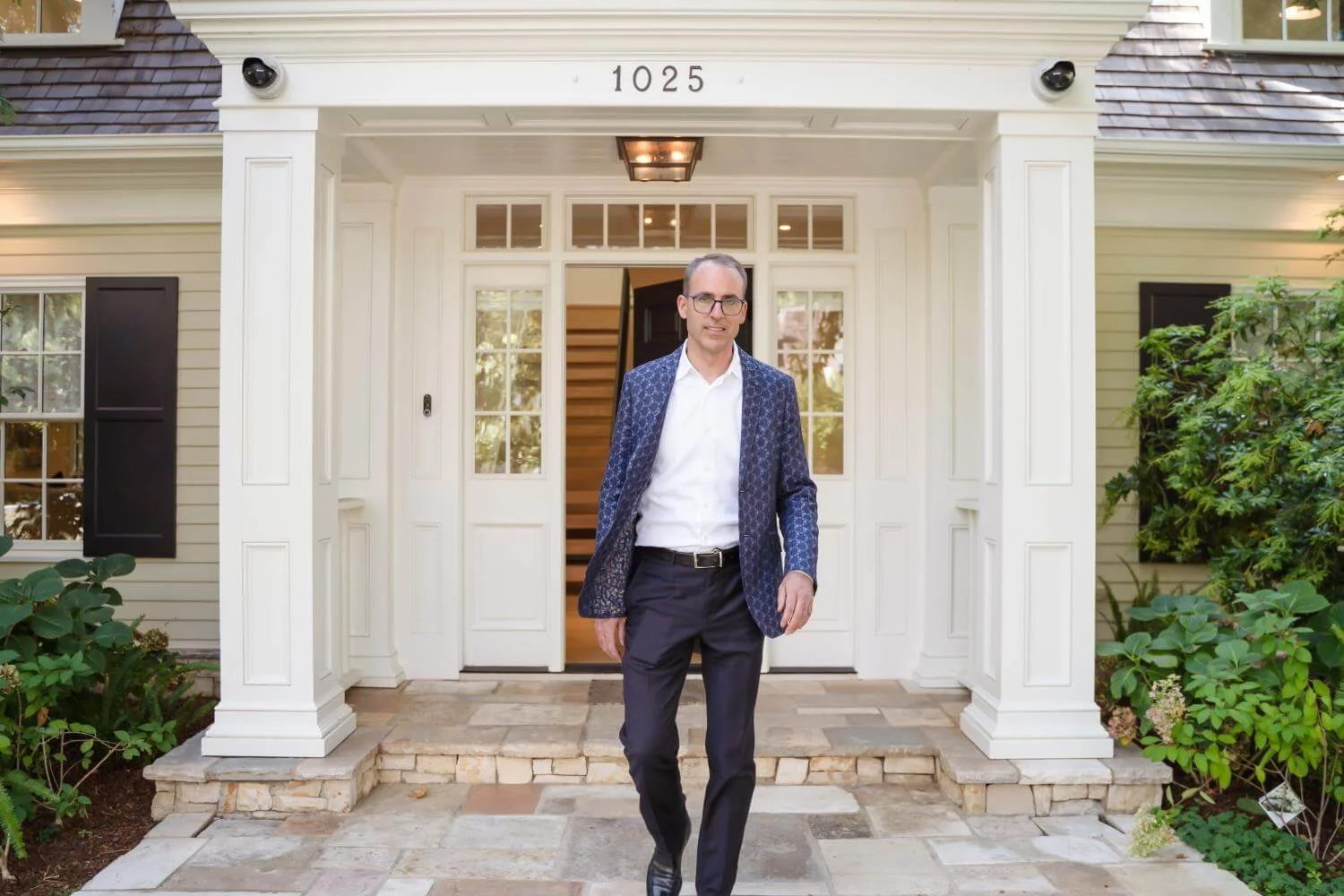
Marton Jojarth
MSc, Oxford University
MBA, Harvard Business School
PhD Economics, University of St. Gallen
Marton’s design philosophy blends the timeless principles of classical European architecture with a practical, systems-driven approach to planning and execution.
Before founding MindFrame, Marton built a career in technology and consulting, including leadership roles at Google (Director), Equinix (Vice President), and McKinsey & Company (Engagement Manager). He brings that background in finance, process engineering, and decision-making into building design—helping clients balance durability, functionality, and beauty while staying grounded in budget, constructability, and long-term value. Marton approaches the family home as both a place to live and a long-term investment, using value engineering to reduce unnecessary construction and maintenance costs while supporting strong resale value.
Marton was elected by the Palo Alto City Council to serve on the City’s Architectural Review Board, where he works to contribute thoughtfully to the built environment and support Palo Alto’s continued growth as a vibrant, thriving community.
Mindframe Advantage
The Mindframe Strategic Building Process reduces construction cost without sacrificing quality. We use proven strategies from leading companies across many industries. These methods are often missing from home design because of the false belief that cost control weakens design. The result is often overpriced homes with lower resale value. Mindframe rejects that tradeoff. We combine strong design with sound economics, creating homes that deliver both high aesthetic quality and strong financial value.
Value Engineering
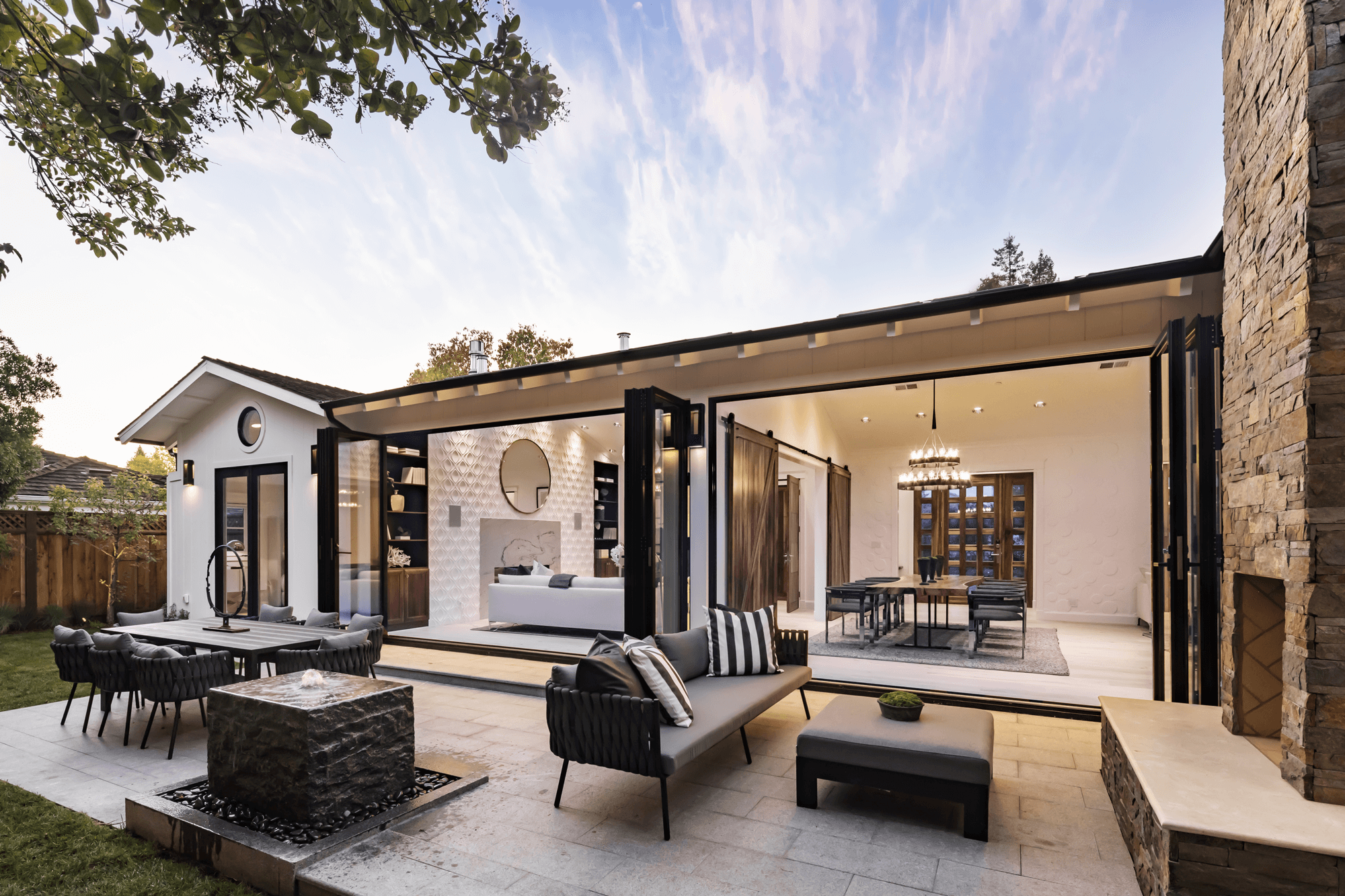
Much of a home’s cost is decided during design, long before construction begins. Two homes with the same durability, function, and beauty can cost very different amounts to build. Mindframe studies multiple architectural and structural approaches, calculates their cost impact, and identifies the most economical solution. Beautiful design does not have to be expensive. For every project, we explore many ways to achieve the same aesthetic and performance goals, then select the one that delivers the best value.
Project Planning Excellence
The Mindframe Strategic Building Process follows a detailed plan from early drawings to final inspection. Each step is mapped out months in advance to keep the project smooth and efficient. Good planning reduces unnecessary costs caused by rushed material orders, expensive suppliers, labor downtime, and subcontractors working in the wrong sequence.
Many attractive projects fail financially because of poor planning. Mindframe treats planning and scheduling as essential tools for controlling cost and protecting project quality.
Strategic Sourcing
Strategic sourcing is a core part of the Mindframe Strategic Building Process. We buy materials and services at lower cost while maintaining high quality and reliability. The goal is not simply to force the lowest price, because that often leads to poor quality, delays, and costly rework. Mindframe balances cost, quality, and supplier performance. Over many years, we have built a global network of trusted artists, factories, quarries, and vendors who help us deliver custom homes with better value and dependable results.
Continuous Improvement
Mindframe continuously improves by analyzing every deviation from plan and identifying its root cause. This reduces problems, delays, and cost overruns in future projects. Because we are responsible for cost, quality, and pace, we pay close attention to what works and what does not. We also refine our construction methods through repeated experience with premium materials. That expertise allows our team to work more efficiently, reduce damage, and avoid the labor and material waste that often occurs when unfamiliar builders handle specialized details.